
Pool Chemicals

Chlorine Floaters

Simple, Effective Chlorine Dispensing for Cleaner Pool Water

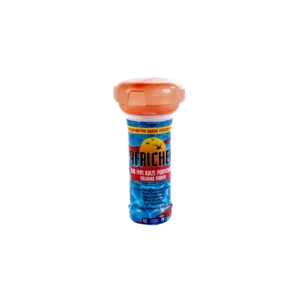
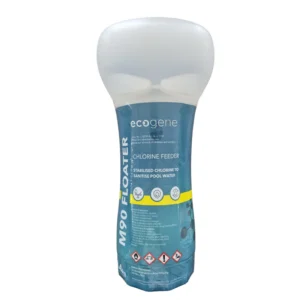
Hyper Pool Group’s range of Chlorine Floaters offers a convenient and efficient way to maintain consistent chlorine levels in your swimming pool. Designed to slowly dispense chlorine tablets into the water, these floating dispensers help support continuous sanitisation, reducing the effort required to keep your pool clean, clear, and safe for swimming.

Why use a floater

Key Features

Adjustable Control
An easy to adjust rotating ring with 3 vent holes at the base of the floater that controls how much pool water can flow in and contact the chlorine tablets inside.
Durable Construction
Manufactured from high-quality materials, chlorine floaters are designed to withstand constant exposure to sunlight, pool chemicals, and outdoor conditions.
Large Tablet Capacity
Able to house up to 8 chlorine pills depending on the floater variant.
Easy to Use
Does not require a feeder installation. Simply unwrap, adjust the rotating ring and pop it into your pool.

Our Chlorine Floater Solutions

HPG – Category tabs (subcategories of the current category)
Sort

Frequently Asked Questions

How does a chlorine floater work?

A chlorine floater is a floating dispenser that holds slow-dissolving chlorine tablets. As pool water passes through the floater's adjustable vents, the tablets gradually dissolve and release chlorine into the pool. Opening the vents wider releases more chlorine, while closing them reduces the output. Floaters provide a steady, low-maintenance supply of sanitiser, but chlorine levels should still be tested regularly to make sure the vent setting suits the pool's size and conditions.

Most chlorine floaters are designed to hold standard pool chlorine tablets, but tablet sizes and floater capacities vary between products. Check the floater's specifications before buying tablets, because tablets that are too large will not fit and tablets that are too small may dissolve too quickly. Only use tablets made for swimming pools in a floater, and never mix different types of chlorine in the same dispenser, as this can cause a dangerous chemical reaction.

How often a chlorine floater needs refilling depends on pool size, water temperature, chlorine demand and the vent setting. Tablets dissolve faster in warm weather and when the vents are wide open, so floaters usually need refilling more often in summer. Check the floater at least weekly and test chlorine levels regularly; a falling chlorine reading is usually the first sign that the tablets have run out. Refill before the floater is completely empty to avoid gaps in sanitisation.

Yes. Chlorine floaters are designed for continuous use and can stay in the pool between refills. Chlorine levels should still be tested regularly to prevent over-chlorination, especially if the floater gets trapped in one spot, such as a corner or the skimmer, where it can concentrate chlorine in a small area. Remove the floater while children are swimming so they do not play with it or handle the chlorine tablets inside.

Chlorine floaters can be used in saltwater pools when additional chlorination is needed, for example during hot weather, heavy pool use or while a salt chlorinator is being repaired. In most saltwater pools, however, the salt chlorinator provides the primary sanitisation, so a floater is not needed day to day. If a floater is used alongside a salt chlorinator, test chlorine levels more often to avoid over-chlorinating the water.

No. A chlorine floater only supplies chlorine; it does not measure or balance the water. Regular water testing remains essential to check that chlorine stays within the recommended range of 1 to 3 PPM and that pH, alkalinity and stabiliser levels are correct. Without testing, chlorine can drift too low, allowing algae to grow, or too high, irritating swimmers. Test pool water at least once a week, and more often in hot weather or after heavy use.