
Pool Cleaning

Suction Pool Cleaners

Reliable, Affordable Pool Cleaning Solutions

Keep your swimming pool clean and inviting with our range of high-performance suction pool cleaners. At Hyper Pool Group, we offer trusted suction pool cleaners that deliver dependable cleaning performance, helping pool owners spend less time maintaining their pools and more time enjoying them.

Why go suction

Benefits of Suction Pool Cleaners

Affordable cleaning solution
Easy to install and operate
Ideal for residential swimming pools
Reliable day-to-day pool maintenance
Simple and reliable

Why Choose a Suction Pool Cleaner?

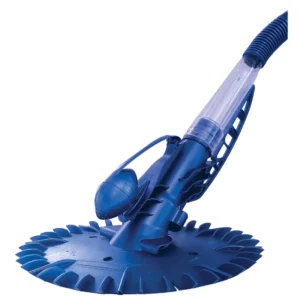
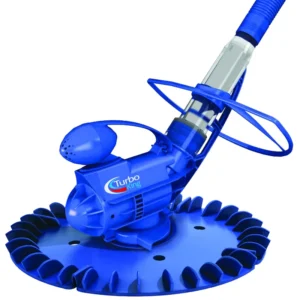
Suction pool cleaners are a popular choice for homeowners looking for a simple and reliable pool cleaning solution. These cleaners are connected directly to your pool’s suction line or skimmer and use the power of your filtration system to move around the pool.

Clear blue swimming pool water

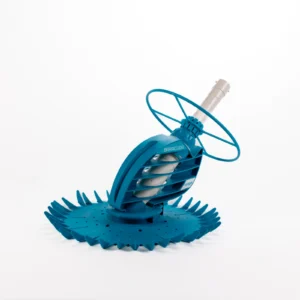
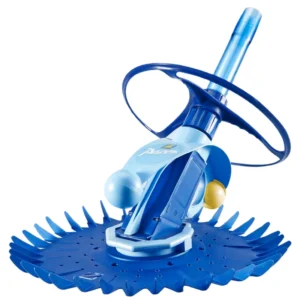
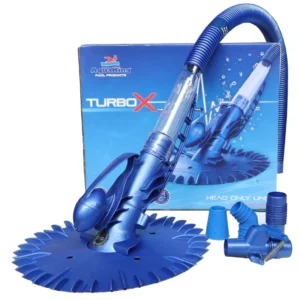
Our Range of Suction Pool Cleaners

HPG – Category tabs (subcategories of the current category)
Sort

Frequently Asked Questions

How does a suction pool cleaner work?

A suction pool cleaner connects to the pool's filtration system through a hose attached to the weir or a dedicated suction point. When the pump runs, water is drawn through the cleaner, and this flow moves it across the pool floor and walls while it vacuums up dirt and debris. The debris travels through the hose to the pump basket and filter, or into a leaf catcher if one is fitted.

Many modern suction pool cleaners can climb and clean pool walls, depending on the cleaner model, the pool surface and the water flow from the pump. Some models focus mainly on the pool floor and lower walls. The correct hose length and adequate suction help a cleaner climb walls effectively. Check the product specifications if wall cleaning is a priority, as performance varies between models and pool shapes.

Most suction pool cleaners are compatible with a wide variety of pool surfaces, including fibreglass, marbelite, concrete and vinyl-lined pools. However, different models use different discs, footpads or wheels suited to particular surfaces, and some are designed specifically for fibreglass or vinyl. Pool size, shape and pump capacity also affect performance. Always check the product specifications to confirm compatibility with the pool before choosing a cleaner.

No. Suction pool cleaners do not need their own electrical connection; they are powered by suction from the pool pump and filtration system. The cleaner only works while the pump is running, so the pump's run time determines how long the pool is cleaned. This makes suction cleaners simple and economical to own, although the pump's electricity use should be considered when setting run times.

Routine maintenance for a suction pool cleaner includes inspecting the hoses for cracks and wear, cleaning or replacing diaphragms, discs, footpads and other internal parts when they wear out, emptying the skimmer and pump baskets, and cleaning or backwashing the pool filter regularly. Strong suction is the key to good performance, so also check for air leaks at hose connections. Proper maintenance keeps cleaning consistent.

With proper care and maintenance, a quality suction pool cleaner can give many years of reliable service. Lifespan depends on how many hours it runs, water chemistry, sun exposure and how well worn parts are maintained. Because diaphragms, discs, footpads and hoses are designed to be replaced as they wear, replacement parts are often available to extend the cleaner's life well beyond its original set of wear parts.

A suction pool cleaner usually moves slowly because it is not getting enough suction. Common causes include a full pump basket or skimmer basket, a dirty filter that needs backwashing, a blocked hose or leaf catcher, air leaks at hose connections, a low water level in the weir, and worn cleaner components such as the diaphragm. Checking these one by one resolves most suction cleaner performance problems.

When choosing a suction pool cleaner, consider the pool's size and shape, its surface type (fibreglass, marbelite, concrete or vinyl), the typical debris load, such as leaves or fine dust, and the pump's capacity, since the cleaner relies on suction from the pump. Some cleaners suit flat floors, while others handle steep walls and steps better. Compare product specifications against these points to find a suitable model.