
Pool Equipment

Pool Pumps & Filters

The Heart of Every Healthy Swimming Pool

A clean, sparkling pool starts with efficient water circulation and filtration. At Hyper Pool Group, we offer a comprehensive range of pool pumps and filters designed to keep your pool water clean, clear, and healthy all year round.

Circulation and filtration

Why Are Pool Pumps and Filters Important?

Your pool pump and filter work together to circulate water, remove dirt and debris, and distribute pool chemicals evenly throughout the pool. Without proper circulation and filtration, pool water can quickly become cloudy, unhygienic, and difficult to maintain.

Clear blue swimming pool water
Built for performance

Reliable Pumps and Filtration

Whether you're building a new pool, upgrading your existing equipment, or replacing worn-out components, our high-quality pool pumps and filtration systems deliver reliable performance and long-lasting efficiency.

Reliable Water Circulation for Every Pool
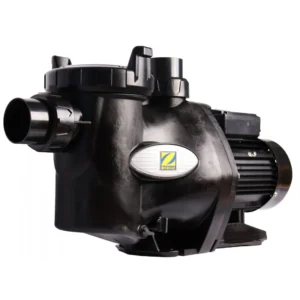
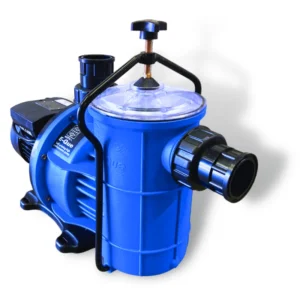
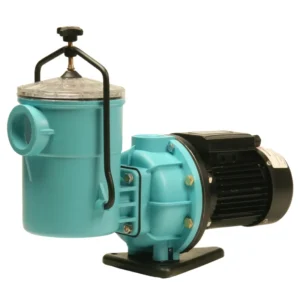
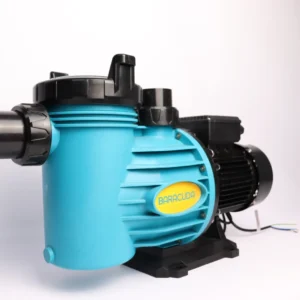
The pool pump is considered the heart of your swimming pool system. It continuously circulates water through the filtration system to help remove contaminants and maintain balanced water conditions.
Crystal Clear Water Starts with Effective Filtration
Pool filters play a critical role in trapping dirt, debris, leaves, insects, and other unwanted particles from your water.
Filtration Solutions You Can Trust
Our filtration systems are designed to improve water clarity, reduce maintenance, and support optimal pool performance throughout the year.

Shop Pool Pumps and Filters

HPG – Category tabs (subcategories of the current category)
Sort

Frequently Asked Questions

What does a pool pump do?

A pool pump circulates pool water through the filtration system. It draws water from the weir and main drain, pushes it through the filter to remove dirt and debris, and returns clean water to the pool. Circulation also distributes chemicals evenly and powers suction pool cleaners. Without a working pump, water stagnates, chemicals stop mixing and algae can grow quickly, which is why the pump is considered the heart of a pool's equipment.

A pool filter removes dirt, debris, dust, insects and other contaminants from the water as the pump circulates it, improving water clarity and hygiene. Filtration works together with sanitisers such as chlorine: chlorine kills bacteria and algae, while the filter physically traps particles. The most common types are sand filters and cartridge filters. A filter needs regular backwashing or cleaning, otherwise it clogs and circulation drops.

Most swimming pools need their pump to run every day to keep the water clean and properly sanitised. The exact number of hours depends on pool size, the pump's flow rate, usage, weather and the type of pump. As a general guide, the pump should circulate the full volume of the pool at least once a day, which usually means running longer in summer and shorter in winter. Variable-speed pumps can run for longer at lower, more efficient speeds.

Pool filter sand should typically be replaced every 3 to 5 years, depending on how much the pool is used, water quality and maintenance practices. Over time, sand grains wear smooth and clump together, so they trap dirt less effectively. Signs that the sand needs replacing include cloudy water despite balanced chemicals, poor filtration, shorter periods between backwashes and frequent algae problems. Fresh sand restores filtration performance and water clarity.

A sand filter traps dirt as water passes through a bed of filter sand and is cleaned by backwashing, which reverses the flow to flush dirt out. Sand filters are durable and easy to maintain. A cartridge filter uses a pleated fabric cartridge that captures finer particles and is cleaned by removing and hosing down the cartridge, so it uses less water than backwashing. The better option depends on the pool and the owner's maintenance preferences.

Not necessarily. A pool pump should be correctly matched to the pool's volume and to the filter's maximum flow rate. An oversized pump can push water through the filter too fast, reducing filtration quality, and it uses more electricity and can strain plumbing and equipment. A correctly sized pump, or a variable-speed pump set to the right flow, gives better efficiency and filtration than simply choosing a bigger motor.

The right pump and filter depend on the pool's water volume, plumbing size, filtration requirements, other equipment such as cleaners and heat pumps, and how the pool is used. The pump's flow rate must suit the filter's rated flow, and both should be sized to circulate the full pool volume within a reasonable number of hours. Running costs matter too, which is why many pool owners now choose variable-speed or inverter pumps.

With proper installation and maintenance, quality pool pumps and filters can give many years of reliable service. Lifespan depends on usage, water chemistry, exposure to sun and rain, and how well the equipment is maintained. Keeping the pump basket clean, replacing worn seals and O-rings, backwashing or cleaning the filter regularly and changing filter sand every 3 to 5 years all extend equipment life. Many worn parts can also be replaced individually.

A standard pool pump runs at one fixed speed and uses full power whenever it is switched on. A variable-speed pump lets the motor speed be adjusted to the pool's needs, for example a low speed for everyday filtration and a higher speed for backwashing or vacuuming. This improves energy efficiency, runs more quietly and gives better filtration. Variable-speed pumps cost more upfront, but they typically save substantially on electricity over time.