Pool Finishing
Give Your Swimming Pool a Refreshing New Look
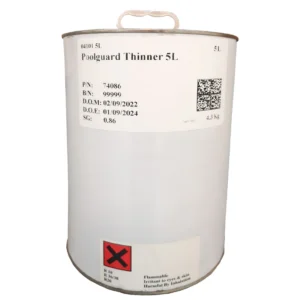
Re-marbeliting your swimming pool using Cemcrete Pool-Crete is a durable way to restore a smooth, marble-plaster finish to an old and weathered marbelite swimming pool. PoolGuard is a suitable option for DIY refurbishment projects, that can be applied to cementitious, marbelite and concrete swimming pool surfaces. It can also be used on fiberglass pools with correct preparation and use of PoolGuard Fiberglass Primer.
Our Pool Finishing Options
Our Pool Finishing Solutions
Frequently Asked Questions
Can I apply Pool-Crete as a DIY project?
No. Cemcrete strongly recommends that Pool-Crete is applied by an experienced, professional pool contractor. Application requires specific skills, such as rapid troweling to avoid dry joints and achieving the correct 6mm thickness across the whole pool. Mistakes can result in an uneven finish, visible joints or premature failure, which are costly to fix once the pool is filled. A professional contractor will also prepare the surface and manage curing and filling correctly.
What surfaces can Pool-Crete be applied to?
Pool-Crete can be applied to new or renovated gunite, hand-packed concrete or scratch-coat cement plaster that has cured for at least 28 days. The surface must be sound and properly prepared before application. Pool-Crete will not adhere to fibreglass or plastic, so it is not suitable for fibreglass pools or vinyl-lined pools. For older or unusual surfaces, check Cemcrete's application guidelines or consult a pool contractor before starting.
What is the coverage rate of Pool-Crete?
A standard 40kg bag of Pool-Crete covers approximately 2m² at the recommended thickness of 6mm. To estimate how many bags a pool needs, calculate the total surface area of the floor, walls and steps in square metres and divide it by two. Contractors usually allow extra for wastage and uneven surfaces. Applying Pool-Crete thinner than the recommended 6mm to stretch coverage is not advised.
How should a pool be filled after applying Pool-Crete?
After applying Pool-Crete, damp down the exposed plaster every hour to stop it drying too quickly. Start filling the pool from the deep end 6 to 8 hours after application, or the following morning, and fill it continuously in one go; stopping the water flow leaves a permanent water ring or stain on the new plaster. Use only municipal tap water, because borehole water often contains metals and minerals that can permanently stain or discolour new plaster.
What is the coverage rate of PoolGuard?
A 5-litre tin of PoolGuard covers approximately 25m² per coat, and a standard application requires two coats. That means one 5-litre tin covers about 12.5m² of pool surface with the full two-coat system. To estimate how much is needed, calculate the total area of the floor, walls and steps and double it for two coats. Rough or porous surfaces may absorb more paint, so allow a little extra.
What surfaces can PoolGuard be painted on?
PoolGuard can be painted on old or freshly rendered cement, concrete, marbelite and gunite pool surfaces. It can also be used to re-coat fibreglass pools, but only if the dedicated PoolGuard Fiberglass Primer is applied first, because the paint will not bond properly to bare fibreglass. Whatever the surface, it must be clean, sound and properly prepared before painting. Follow the manufacturer's preparation and curing instructions for the best result.