
Pool Chemicals
Keep your pool water clean, clear and healthy.
At Hyper Pool Group, we offer a comprehensive range of pool chemicals designed to keep your water crystal clear, balanced, and safe for swimming all year round.
A Healthier, More Enjoyable Swim
Whether you’re preventing algae growth, sanitising your pool, balancing water chemistry, or improving water clarity, our pool chemical range helps ensure a healthier and more enjoyable swimming experience.
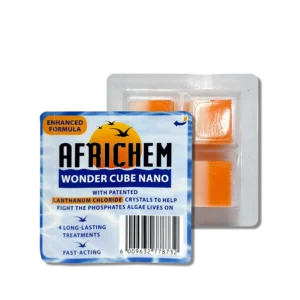
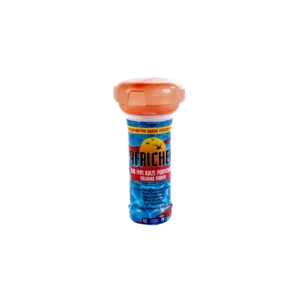
Our Range of Pool Chemicals
Frequently Asked Questions
How often should I add chemicals to my pool?
Most pools need chemical treatment several times a week rather than one large dose. How often depends on how much the pool is used, weather conditions, water temperature and the type of sanitising system, such as granular chlorine, a chlorine floater or a salt chlorinator. Hot weather, heavy rain and lots of swimmers all increase chemical demand. Testing the water at least weekly shows which chemicals are needed and prevents over- or under-dosing.
How often should pool water be tested?
Pool water should be tested at least once a week to check pH, chlorine, total alkalinity and stabiliser (cyanuric acid) levels. Test more often in hot weather, after heavy rain or storms, after heavy use and after adding chemicals. Regular testing catches small imbalances before they cause cloudy water, algae or equipment damage, and it helps avoid wasting chemicals. Test strips, liquid test kits and digital testers can all be used.
What is the ideal pH level for a swimming pool?
The recommended pH range for most swimming pools is between 7.2 and 7.6. Within this range chlorine works efficiently, the water is comfortable for swimmers' eyes and skin, and pool surfaces and equipment are protected. If pH rises too high, chlorine becomes less effective and scale can form; if it drops too low, the water becomes corrosive and irritating. Test pH at least weekly and correct it with a pH increaser or reducer as needed.
Why is my pool water cloudy?
Cloudy pool water is usually caused by poor filtration, chemical imbalance, early algae growth or fine particles suspended in the water. Common culprits include a dirty or worn filter, running the pump for too few hours, high pH or alkalinity, low chlorine, and heavy use or rainfall. Start by testing and balancing the water, then clean or backwash the filter and run the pump for longer. A water clarifier can help the filter remove very fine particles.
Can I swim immediately after adding pool chemicals?
It depends on the chemical. Some products, such as many clarifiers and balancing chemicals, allow swimming shortly after the water has circulated, while shock treatments and high chlorine doses require waiting until chlorine has dropped to 3 PPM or lower. Always follow the manufacturer's instructions on waiting times, and let the pump circulate the water before testing. If in doubt, test first: chlorine and pH should both be within the recommended ranges before anyone swims.
Which pool chemicals do I need for regular maintenance?
Most pools need three types of chemicals for regular maintenance: a sanitiser such as chlorine to kill bacteria and algae, pH control products to keep pH between 7.2 and 7.6, and an occasional shock treatment to remove chloramines. Depending on water conditions and pool type, other products may be needed, including alkalinity increaser, stabiliser, algaecide and water clarifier. A water test shows exactly which products the pool currently needs.