Robotic Pool Cleaners
Effortless Pool Cleaning, Exceptional Results
Take the hassle out of pool maintenance with our range of advanced robotic pool cleaners. Whether you’re looking for a compact cordless cleaner for a smaller pool or a premium robotic cleaner with smart technology and app control, Hyper Pool Group offers a range of options to suit every budget and cleaning requirement.
Benefits of Robotic Pool Cleaners
Our Range of Robotic Pool Cleaners
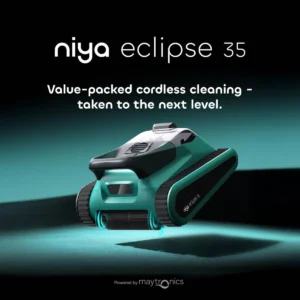
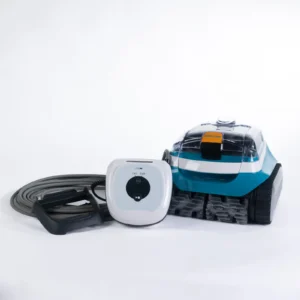
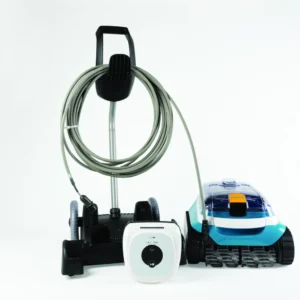
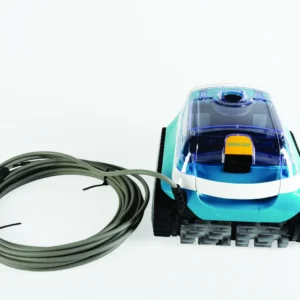
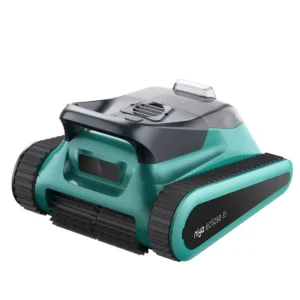
Niya Eclipse 35 Cordless Robotic Pool Cleaner
Frequently Asked Questions
How does a robotic pool cleaner work?
A robotic pool cleaner is a self-contained, electrically powered unit that moves around the pool independently of the pool pump and filter. It uses motors and intelligent navigation to cover the floor and, depending on the model, the walls and waterline. Brushes scrub surfaces while internal suction draws debris into an onboard filter basket or cartridge, which is emptied after cleaning. Robotic cleaners are available as corded or cordless (battery-powered) models.
Can robotic pool cleaners clean pool walls and waterlines?
Most robotic pool cleaners clean the walls and waterline as well as the pool floor, but capabilities vary by model. Entry-level models may focus mainly on the floor, while more advanced cleaners climb walls and scrub the waterline, where oils and dirt build up. Check the specifications before choosing, especially if waterline cleaning matters. Some models also let you choose between floor-only, wall-only and full-pool cleaning cycles.
Do robotic pool cleaners work in all pool types?
Most robotic pool cleaners are suitable for a variety of pool surfaces, including fibreglass, marbelite, vinyl-lined and concrete pools. Brush type and traction differ between models, and very smooth surfaces such as fibreglass or tiles can affect how well a cleaner climbs walls. Pool size and shape also matter, as larger pools may need a cleaner with a longer run time. Always check the product specifications to confirm compatibility with the pool.
Do robotic pool cleaners reduce energy consumption?
Yes. Robotic pool cleaners run on their own low-voltage motors, independently of the pool pump and filtration system, so the main pump does not need to run for extra hours to power a cleaner. This makes them generally more energy-efficient than suction cleaners, which rely on the pump. Robotic cleaners also trap debris in their own filter, which reduces the load on the pool filter and the need for backwashing.
How long does a robotic pool cleaning cycle take?
A robotic pool cleaner's cleaning cycle typically takes 1.5 to 3 hours, depending on the model, the pool's size and shape and the cleaning mode selected. Floor-only cycles are usually shorter than full cycles that include the walls and waterline. Cordless models are limited by battery life, while corded models can often run longer cycles. Many robotic cleaners stop automatically at the end of the cycle.
How do I clean a robotic pool cleaner's filter?
Most robotic pool cleaners have an easy-access filter basket or cartridge. After a cleaning cycle, lift the cleaner out of the pool, open the filter compartment, remove the basket or cartridge and rinse it with clean water from a hose to wash out the debris, then reinstall it according to the manufacturer's instructions. Cleaning the filter after every cycle keeps suction strong. Replace filters that are torn or permanently clogged.
Can a robotic pool cleaner pick up leaves and fine debris?
Yes. Quality robotic pool cleaners are designed to collect both large debris, such as leaves and twigs, and fine particles like sand, dust and dead algae. Many models come with filters of different fineness: a coarser filter for leaves and a finer one for dust. Pools with heavy leaf fall may need the cleaner's basket emptied more often, or a leaf net used first to remove large quantities of leaves.
Are cordless robotic pool cleaners better than corded models?
Neither type is better in every case; both have advantages. Cordless robotic pool cleaners run on rechargeable batteries, offering greater freedom of movement, no cable to tangle and easy handling. Corded robotic cleaners connect to a power supply through a floating cable, which provides continuous power and often longer run times. The best choice depends on the pool's size, budget and cleaning requirements, and larger pools often suit corded models.
Do robotic pool cleaners require professional installation?
No. Most robotic pool cleaners are plug-and-play units that can be set up and operated within minutes without professional help. A corded model is connected to its power supply unit and placed in the pool, while a cordless model is charged and then placed in the pool. No connection to the pool pump, filter or plumbing is needed. Follow the manual for charging and for placing the power supply safely away from the water.
Which robotic pool cleaner is best for my pool?
The best robotic pool cleaner depends on the pool's size, shape and surface type, the type and amount of debris, the cleaning needed (floor only, or walls and waterline as well) and budget. Larger pools need longer run times, which corded models often provide, while smaller pools may suit cordless models. Features such as programmable cycles, filter options and app control also differ between models, so compare specifications against these needs.