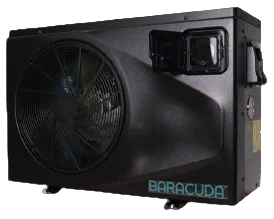
Pool Heat Pumps
Enjoy Your Swimming Pool All Year Round
Extend your swimming season and enjoy comfortable water temperatures with our range of energy-efficient pool heat pumps. At Hyper Pool Group, we offer quality pool heat pumps that provide consistent performance, helping you maintain the perfect water temperature while keeping operating costs low.
Benefits of Pool Heat Pumps
Shop Pool Heat Pumps Online
Frequently Asked Questions
Can a pool heat pump be used all year round?
Yes. Many pool heat pumps can operate throughout the year, extending the swimming season into autumn, winter and spring. A heat pump works by extracting warmth from the surrounding air, so its performance and efficiency drop as the air temperature falls, and in colder months it takes longer to heat the water and uses more electricity. Using a pool cover and checking the unit's minimum operating air temperature helps get the best year-round results.
How long does it take a heat pump to heat a swimming pool?
Heating time depends on the pool's size, the starting water temperature, the target temperature, weather conditions and the heat pump's capacity. A heat pump raises water temperature gradually, so heating a pool from cold commonly takes a few days rather than hours, after which the unit only needs to maintain the temperature. Smaller pools, warmer air temperatures and a pool cover that stops heat escaping overnight all shorten heating time considerably.

Do I need a pool cover with a heat pump?
A pool cover is highly recommended with a heat pump. Most heat loss from a pool happens at the water surface through evaporation, especially at night, so an uncovered pool loses much of the heat the heat pump produces. A cover retains that heat, which improves efficiency, shortens heating time and reduces electricity costs. Thermal and solar covers also reduce water evaporation and chemical consumption, adding further savings.
Can a heat pump be installed on an existing pool?
Yes. A heat pump can be added to both new and existing swimming pools. It connects into the pool's existing filtration plumbing after the filter, so water is heated as it circulates, and it needs a suitable electrical supply, usually from the pool DB. The unit also needs an outdoor position with good airflow close to the pump and filter. A qualified installer can confirm the sizing, plumbing and electrical requirements for a specific pool.
How do I choose the right heat pump size for my pool?
The right heat pump size depends on the pool's water volume, the local climate, the desired water temperature and how often the pool is used. A heat pump that is too small will struggle to reach or hold the target temperature, especially in cooler months, while a correctly sized unit heats faster and runs more efficiently. Heat pumps are rated in kilowatts (kW). Using a pool cover also affects the size needed, because covers reduce heat loss.